
Who Actually Reads the Paywall on a Free Page
OnlyFans free pages look simple until a locked message appears in the feed with a price attached. The answer to the title question is straightforward: most subscribers do not read the paywall carefully, and that skim is what turns a $0 subscription into a weekly expense. This guide treats the unlock prompt as a document worth parsing, line by line, before any money moves. It is written for readers who want to understand what they are agreeing to, not for anyone chasing a bargain. BestOnlyFans rankers see thousands of free pages, and the pattern is consistent: spending discipline starts with reading skill, not with budget apps.
A free page on OnlyFans sets its base subscription price to $0. The creator earns through pay-per-view (PPV) messages, tips, and paid chat instead. That model is legitimate and clearly disclosed, but it moves the spending decision from the subscription button to dozens of small unlock buttons over time. BestOnlyFans refreshes its rankings every month.
What the Unlock Button Actually Says
Before any payment, a paywall prompt shows four visible elements: the message text, the price, a preview thumbnail, and a confirmation control. Each one carries information, and each one is frequently ignored. The message text often describes the content in one line. The price sits next to the unlock control, usually as a plain number. The preview is a blurred or cropped still.
The confirmation is the final tap that charges the card on file.
Readers who skim tend to see only the preview and the word “unlock.” The price registers as a small number, and the confirmation feels like a formality. In practice, the confirmation is the only step where the charge is authorized, and it is the last chance to stop.
- Message text: a short description of what the locked post contains.
- Price: the exact amount charged to the saved card when you confirm.
- Preview thumbnail: a cropped or blurred sample, not the full content.
- Unlock confirmation: the control that authorizes the charge.
None of these elements is hidden. They are simply presented in a layout built for speed. A prompt designed for a fast tap will be read fast, which is exactly why slowing down matters more on free pages than on paid ones.
Why Free Pages Put Price Tags on Messages
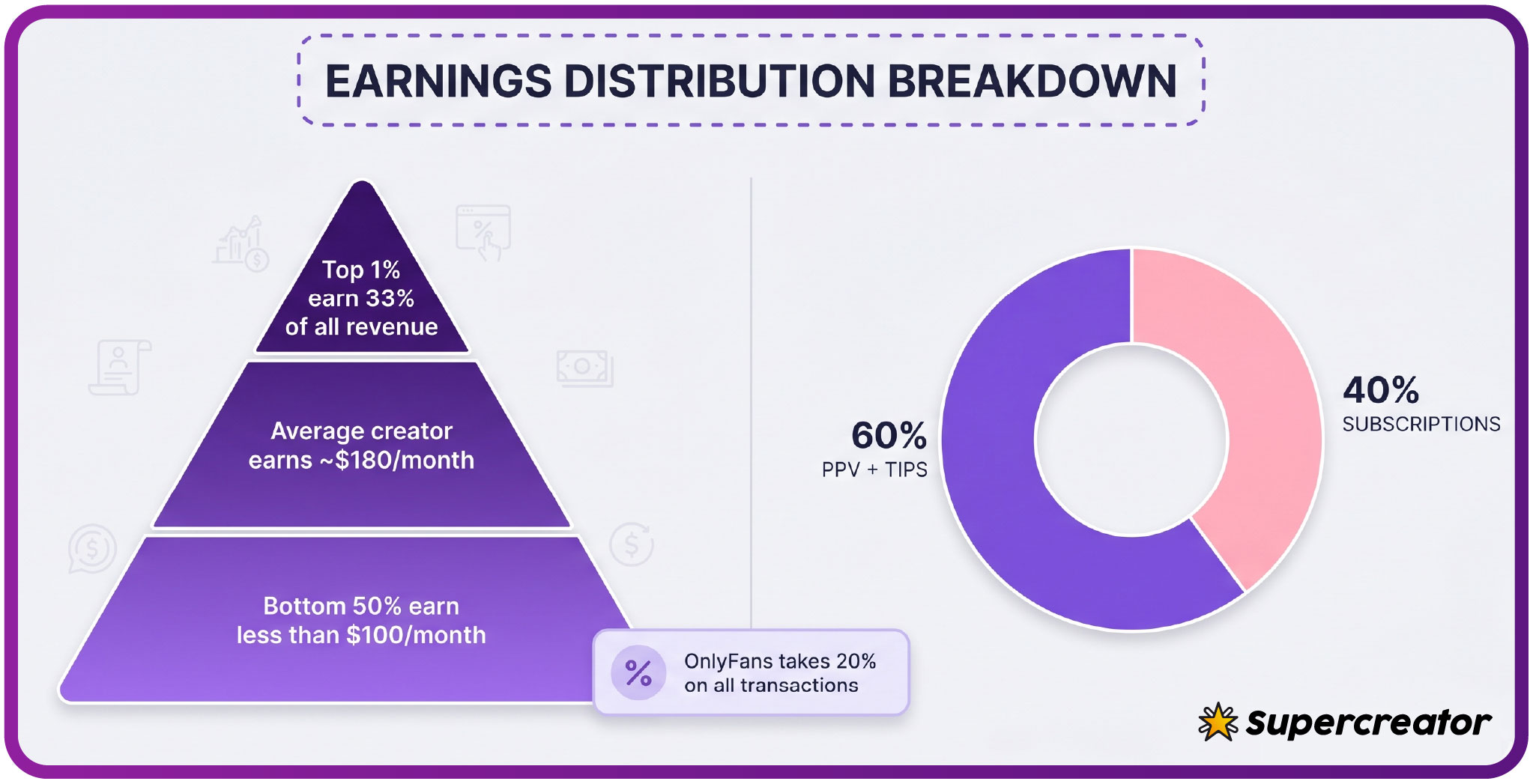
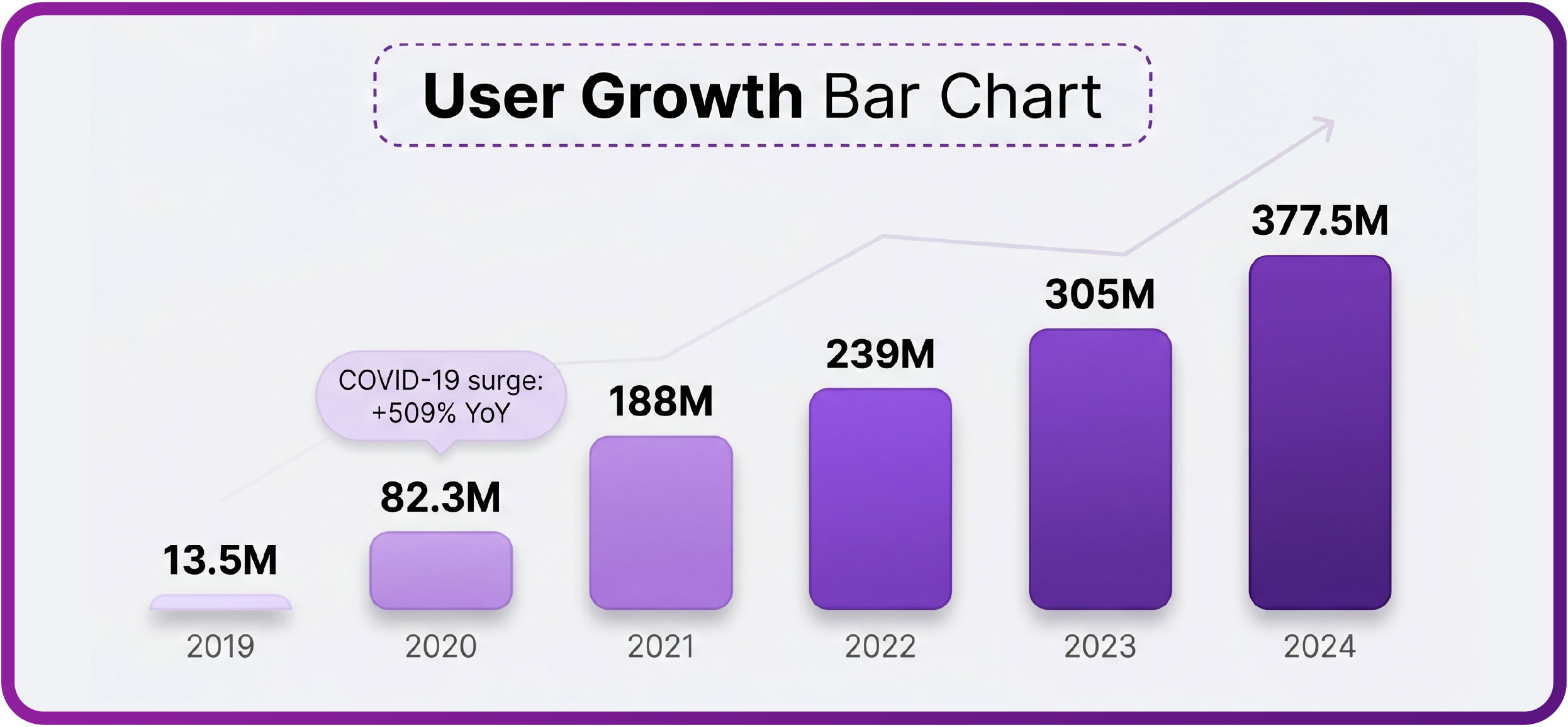
A free page has no subscription revenue, so the creator relies on direct purchases. PPV messages unlock for up to $50 each. Paid chat commonly runs $3 to $5 per message. Tips can reach $100. The platform takes a 20% fee on everything, and the creator keeps 80%.
These are the mechanics behind every price tag you see.
| Element | What it means | What it does not mean |
|---|---|---|
| Paywall label on a message | This specific post costs the listed amount to view | That the rest of the page is also paid |
| Message price | A one-time charge for one unlocked item | A subscription or recurring fee |
| Tip option | A voluntary payment with no content attached | A required charge to keep access |
Paid subscription pages work differently. Their base prices run from $4.99 to $49.99, with most clustering between $5 and $10. Promotional first months can dip below $4.99, such as a $3 first month, but the base price itself never goes under $4.99. When a creator raises the price, auto-renew stops and existing access lasts until the paid period ends.
On a free page, none of that applies. There is no renewal to track, only a stream of individual unlock decisions. That is why the paywall label, not the subscription price, is the real cost document.
How Message Pricing Becomes a Habit
A single unlock of $5 feels minor. Repeated across a month, the pattern is different. The sequence below is the common path from one purchase to a recurring habit.
- Week one: one $5 PPV unlock, viewed once, quickly forgotten.
- Week two: three unlocks at $5 each, now $15 spent with no record kept.
- Week three: paid chat replies at $3 to $5 per message add a second cost stream.
- Week four: a $20 unlock feels normal because the earlier amounts set the baseline.
Nothing in that sequence is deceptive. Each charge was authorized individually. The habit forms because the decisions are small, frequent, and never reviewed together. A subscriber who reads every label still spends, but spends on purpose.
Tip: before confirming any unlock above $10, check whether the same creator offers a paid subscription page. A $4.99 to $15 monthly subscription sometimes includes content that would cost more as separate PPV unlocks.
Reading Order: Label, Preview, Price
Any paywall prompt can be evaluated in the same four steps. The order matters because it prevents the preview from setting the decision before the price is known.
- Read the label first: what does the message text say the content is?
- Check the preview second: does the thumbnail match that description?
- Read the price third: is the amount clear and acceptable before any tap?
- Confirm last: only after the first three steps, authorize the charge.
This order takes a few seconds longer per prompt. It also catches the two most common mistakes: unlocking a preview that does not match its label, and confirming a price that was never actually read. Neither mistake is recoverable once the content is viewed.
Readers comparing pages across the platform often find that free pages vary widely in how clearly they label content. Some describe each PPV in a full sentence; others use a single word. A ranking site can help sort pages by how transparent their labeling is, and directories like free only fans models exist precisely because OnlyFans has no built-in discovery feed. A clear label is a fair signal of how the page treats its subscribers.
When Subscribers Should Slow Down
Some free pages lean heavily on message monetization. The signals are visible before any money is spent, and they are worth watching for.
- Most feed posts are locked rather than free to view.
- Paid chat replies arrive quickly and repeatedly after any message.
- PPV prices cluster near the upper end of the range rather than the lower end.
- Preview thumbnails rarely match the message text closely.
None of these signals means a page is dishonest. A page can be entirely upfront and still monetize mostly through messages, because that is the free-page model. The point is to recognize the model early so the spending decision is deliberate rather than reactive.
A slower approach also helps with account safety. Card details, chat history, and payment methods all sit behind the same login, so weak account security turns a spending habit into a broader risk. Two-factor authentication on the account is a basic step, and understanding common phishing attempts matters when messages arrive from unknown accounts. BestOnlyFans methodology treats labeling clarity and account hygiene as one combined signal when ranking free pages, because a page that pressures rapid unlocks often pairs with weaker account practices.
Keeping a Record of What You Unlocked
Once a PPV message is unlocked and viewed, access is tied to the account, and refunds are limited. There is no general undo for a viewed unlock. A simple log is the practical countermeasure.
- Date of the unlock.
- Price paid.
- Page or creator name.
- Whether the content matched the preview and label.
The log does not need an app. A note on a phone is enough. The value is in reviewing it monthly, because the total is what reveals the habit, not any single charge. A card verification hold of $0.10 may also appear on statements when a payment method is first added; it is refunded within days and is not a charge for content.

Records also help when something goes wrong. If a preview did not match the unlocked content, a dated log makes any support request clearer. Payment disputes have their own rules and timelines, so accurate notes are more useful than memory.
What a Careful Reader Gains
The gain is not a smaller number of unlocks. It is a set of unlocks that were each chosen on purpose. Three reading styles produce three different outcomes.
| Reading habit | Cost effect | Practical result |
|---|---|---|
| Skimming the prompt | Price is seen but not registered | Frequent small charges with no record |
| Reading only the price | Cost is known, content is not | Unlocks that do not match expectations |
| Full reading order | Label, preview, and price all checked | Fewer unlocks, each one intentional |
The reader who parses the paywall spends less time regretting purchases and more time deciding whether a page is worth following at all. That is the whole benefit: control moves from the confirmation button back to the reader.
FAQ
Do free pages always charge for messages?
No. A free page can post freely and never send a locked message. When PPV messages do appear, each one is optional and priced separately.
Can I see the price before unlocking a PPV message?
Yes. The price appears next to the unlock control, along with the message text and a preview thumbnail. Nothing is charged until the confirmation is tapped.
What happens if I unlock content I did not want?
Access is granted immediately after payment, and there is no general undo for a viewed unlock. A dated record of the purchase helps if you later contact support about a mismatch.
Is there a way to hide paywalled messages on a free page?
There is no universal hide option. The practical approach is to read every label before confirming and to treat repeated locked messages as a signal about how the page monetizes.